 Client Login
25 August, 2026
September 17, 2026
Many people assume that once they reach their annual 401(k) contribution limit, they’ve reached the maximum they can put toward retirement through their plan.
But depending on your 401(k), there may be another option.
Some plans allow participants to make additional after-tax contributions beyond their regular employee contribution limit. If the plan also permits an in-service distribution, those after-tax funds may potentially be rolled into a Roth IRA.
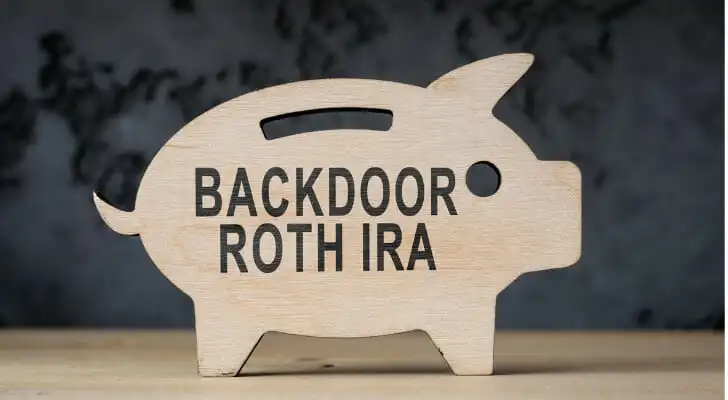
This strategy is commonly referred to as a Backdoor Roth.
The process generally looks like this:
Contribute: Make your regular 401(k) contributions up to the applicable employee limit.
Add: If your plan allows it, make additional after-tax contributions to your 401(k).
Convert: If the plan permits an in-service distribution, eligible after-tax funds may potentially be rolled into a Roth IRA.
Because Roth IRA income limits can prevent some higher-income individuals from contributing directly, this strategy may provide another way to build Roth assets.
While a Backdoor Roth may provide an opportunity to build additional Roth savings, there are important considerations.
Plan rules: Not every 401(k) allows after-tax considerations or in-service distributions.
Taxes: Contributions may be made after tax, but investment earnings and other amounts involved in a rollover may have different tax treatment.
Five-year rule: Roth accounts are subject to rules governing when earnings can be withdrawn tax-free, so timing matters.
Plan testing: In some plans, after-tax contributions may be subject to nondiscrimination testing, which can affect how much certain employees are ultimately able to contribute.
Because the rules can be complex, it’s important to review your specific plan provisions and tax
situations before taking action.
A Backdoor Roth can potentially give eligible employees another opportunity to build Roth savings beyond their regular 401(k) contributions.
But the strategy isn’t one-size-fits-all. Plan provisions, contribution limits, tax considerations, and your broader financial situation all matter.
Before taking action, consider reviewing your plan provisions and speaking with your financial and tax professionals to determine whether this strategy may be appropriate for you.
Daniel O’Shea
About Onyx Bridge Wealth Group
Onyx Bridge Wealth Group is a private wealth advisory firm based in Tarrytown, NY, dedicated to building meaningful relationships and guiding clients toward their strongest financial futures.
As highlighted in this month’s Advisor Spotlight Daniel O’Shea exemplifies our commitment to personalized advice, thoughtful planning, and client-first service.
Our mission is to approach every client relationship with honesty, confidence, and care, protecting your financial interests and helping connect them to your core goals so you can focus on what you do best.
To start the conversation, contact us here, email Info@OnyxBridge.com, or reach out directly to Daniel at DOShea@OnyxBridge.com.